
United Structural Systems
Crawl Space Solutions
The part of your house nobody wants to look at.
Encapsulation, drainage, insulation and dehumidification — turning a damp crawl space into a dry one that stops damaging the house above it.

Why crawl spaces matter more than people think
In this part of Tennessee, a huge share of homes sit on a crawl space. That open, vented, dirt-floored space under the house is where a lot of expensive problems start — and where they can be stopped cheaply.
What a wet crawl space does
- Raises the humidity in the house, which makes your air conditioner work harder all summer
- Feeds mold and wood rot on joists, subfloor and sill plates
- Attracts pests, from termites to snakes
- Creates the musty smell that follows you around the house
- Softens the soil under your footings
What encapsulation looks like
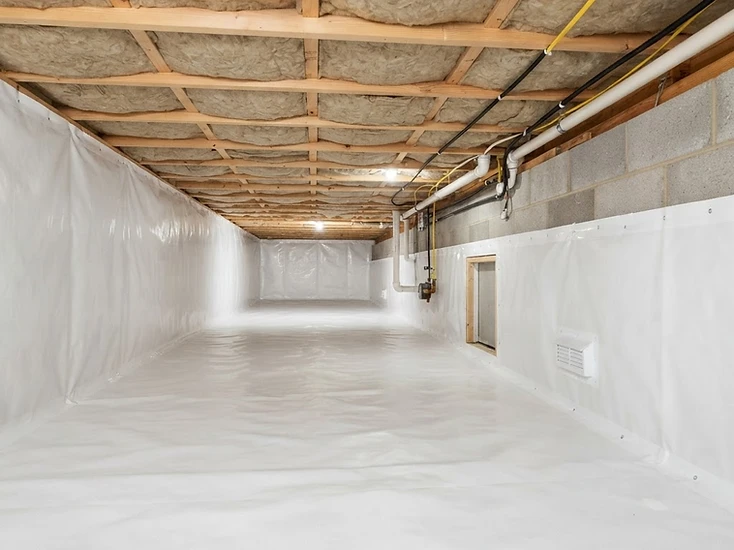
We clean out the space, address drainage and any plumbing leaks, then seal the floor and walls with a heavy vapor barrier that's mechanically fastened and taped. Vents get sealed. Insulation gets replaced properly. Most jobs include a dehumidifier.
The honest version
Not every crawl space needs full encapsulation. If yours is dry and well-ventilated, I'll say so. If it's wet, doing nothing gets more expensive every year.
Crawl Space Solutions projects around Middle Tennessee
Questions Marty hears a lot
See something that doesn't look right?
Send Marty a picture.
Crack in the brick? Uneven floor? Water in the crawl space? Sinking concrete? Send a few photos and tell Marty what you're seeing. No pressure — just a straight answer from someone local.

