
Local Knowledge
Tennessee Clay Soil and Your Foundation
Martin "Marty" Miller5 min read2026-09-02
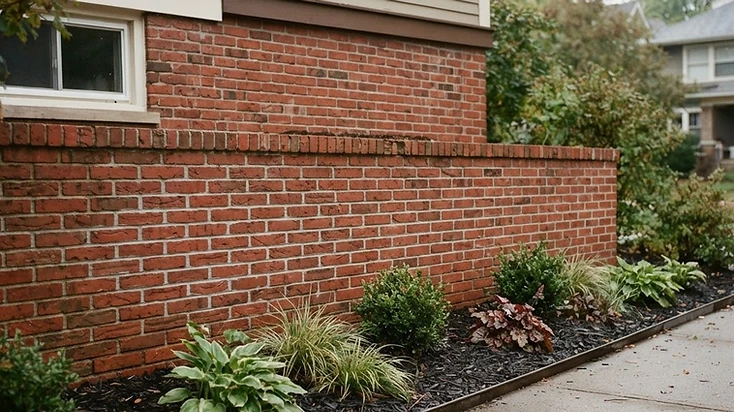
Expansive clay, explained simply
The clay under most Middle Tennessee homes has a property called expansivity. When it absorbs water, it swells. When it dries out, it shrinks. Some of the clay here can change volume by a significant percentage between a wet spring and a dry August.
Your house sits on top of that. When the soil under one corner swells and the soil under another shrinks, the foundation follows.
Why it's worse here than in some places
Three things combine:
- The clay itself. Heavy, expansive, slow-draining.
- The rainfall pattern. Middle Tennessee gets plenty of rain, but it arrives unevenly — wet springs, dry late summers, occasional long droughts.
- Topography. Rolling ground means water concentrates in low areas and runs off high ones, so different parts of the same lot get very different moisture.
What it means for your house
The practical consequences:
- Seasonal movement is normal. Some doors sticking in August and freeing in October isn't necessarily a problem.
- Drainage is the highest-leverage fix. Every gallon you keep away from the foundation is a gallon that isn't swelling the clay.
- Consistency matters. A foundation that stays at a consistent moisture level moves less than one that swings between soaked and bone dry.
- Trees matter. A large tree close to the house pulls moisture out of the soil on that side, creating a gradient.
What you can actually control
You can't change the soil. You can change how much water gets into it near your house:
- Extend downspouts well away from the foundation
- Keep the grade sloping away at roughly six inches over ten feet
- Don't let irrigation heads spray the foundation
- Keep gutters clear so water goes where it's supposed to
- Fix plumbing leaks promptly, including condensate lines
What I tell homeowners
If you do nothing else, manage water. It's the cheapest thing you can do, it's the thing most likely to be the actual cause of what you're seeing, and it makes any future repair more likely to last.
And if you're not sure whether what you're seeing is seasonal or permanent — send me a photo. That's a five-minute answer.

